
BB Desk
For decades, South-Central Mumbai has presented a unique real estate paradox. While its strategic location, established business ecosystem, and premium profile have made it a preferred destination for corporate occupiers, persistent traffic congestion and lengthy commute times have often weighed on its commercial appeal. Worli, despite its proximity to key business districts, was frequently perceived as a location where accessibility came at the cost of time. Today, this perception is changing as a series of transformative infrastructure developments reshape Mumbai’s mobility network and redefine the value proposition of the micro-market.
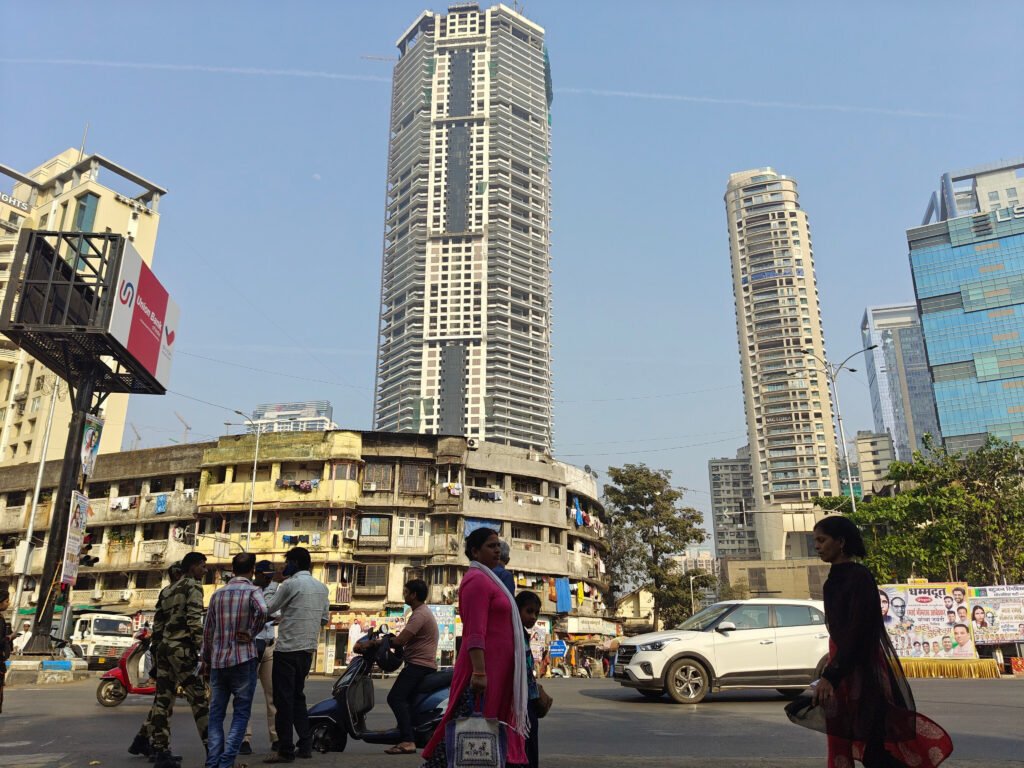
At the core of this transformation is Worli Naka, where three major infrastructure initiatives are converging within a compact geographic radius. Mumbai Metro Line 3 has significantly strengthened connectivity between South Mumbai, Worli, Bandra-Kurla Complex, and airport corridor with the underground network connecting key residential and commercial catchments. Meanwhile, the Mumbai Coastal Road has enhanced north-south connectivity, reducing dependence on congested arterial routes and improving access between Worli and Marine Drive. Its integration with the Bandra–Worli Sea Link further strengthens links to the western suburbs. Adding another dimension to this connectivity advantage, the Sewri–Worli Elevated Connector, expected to open in early 2027, is set to improve access to Sewri, the Atal Setu, and Navi Mumbai including the region around the upcoming Navi Mumbai International Airport.
Underlining the long-term strategic significance of this shift, Vedanshu Kedia, Director of Prescon Group said, “Infrastructure has the potential to fundamentally reshape the way real estate markets are valued. Worli Naka is witnessing a significant shift in accessibility, with the Metro, Coastal Road and the upcoming Sewri–Worli connector collectively strengthening its position within Mumbai’s urban network. Corporates evaluating office locations today are looking beyond immediate convenience and planning for the next decade. In that context, Worli Naka is emerging as a strategically important address for businesses seeking connectivity, efficiency and long-term value.”
The significance of Worli Naka lies not merely in the completion of individual infrastructure projects, but in the convergence of multiple transport modes within the same micro-market. Few locations in Mumbai combine access to an underground metro network, a high-speed coastal corridor, and an upcoming connection to the trans-harbour infrastructure network within such close proximity. For Grade A commercial assets, this convergence has the potential to expand the effective workforce catchment area, making offices more accessible to employees travelling from South Mumbai, the western suburbs, Bandra-Kurla Complex, and in time Navi Mumbai.
Improved airport connectivity also adds to the appeal for companies with frequent business travel requirements. As Metro Line 3 strengthens access to the airport corridor, corporate occupiers stand to benefit from greater predictability in travel times and reduced dependence on road-based transport. These improvements are increasingly relevant for businesses evaluating workplace locations through the combined lens of employee convenience, operational efficiency, and talent accessibility.
A senior real estate analyst noted, “Commercial real estate demand increasingly favours locations that offer reliable connectivity and access to a wider talent pool. Worli Naka’s evolving infrastructure ecosystem is strengthening its position between South Mumbai’s established commercial districts, the Bandra-Kurla Complex and the wider metropolitan region. As these connections become more integrated, the micro-market could attract greater interest from occupiers seeking well-connected, institutional-grade office spaces. Over the longer term, this may support stronger rental performance and capital value growth, subject to market demand, asset quality and the pace of infrastructure-led development.”
Beyond the immediate benefits of reduced travel friction, this transformation could also influence how businesses assess the long-term suitability of office locations. Accessibility is increasingly becoming a key consideration in corporate real estate decisions, alongside building quality, sustainability, operational costs, and employee experience. For developers and investors, locations that combine premium commercial stock with multiple transport options may be better positioned to attract established occupiers and sustain demand across market cycles.
As Mumbai transitions towards a more integrated, multi-modal transport network, Worli Naka is emerging as an important focal point in the city’s evolving commercial geography. Its growing connectivity advantage, strategic position between established business districts and access to a broader employment catchment area are strengthening the case for Grade A commercial real estate in the micro-market.
While the long-term outcome will depend on occupier demand, infrastructure utilisation, and wider market conditions, the convergence of these connectivity projects positions Worli Naka as a compelling location to watch in Mumbai’s next phase of commercial real estate growth.
