BB Desk
BEST Workers Union has begun an indefinite hunger strike from today, escalating its long-running protest over pending wage settlements, employee benefits, and the financial condition of the Brihanmumbai Electric Supply and Transport undertaking.
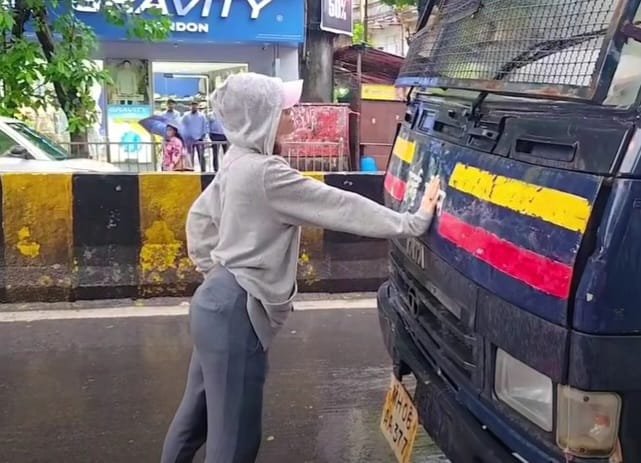
The protest led by union general secretary Shashank Rao is being held at the union office near Kennedy Bridge in Opera House. Workers are demanding implementation of the pending 2016–2021 and 2021–2026 wage settlements, better pay and benefits for wet-lease workers along with the immediate clearance of gratuity as well as other dues owed to retired employees.
The union has also demanded stronger financial support from the BMC and opposed measures that it believes could weaken BEST’s public transport operations or compromise its assets.
The wage issue has been a recurring source of tension between BEST employees and the administration. A wider BEST workers’ agitation earlier this year had also centred on pay revision, pending dues, and financial relationship between BEST and the BMC.
The latest hunger strike also brings the position of employees working on wet-lease buses into focus. These workers employed through private operators running buses for BEST, are seeking equal pay for equal work along with appropriate service benefits.
The union argues that workers performing comparable duties should not face significantly different pay and employment conditions simply because they are employed through a contractual or private arrangement.
Beyond wages and individual employee benefits, the confrontation reflects a broader debate over the future of BEST itself.
Workers’ organisations have repeatedly raised concerns about BEST’s financial difficulties, the proposed monetisation or redevelopment of its valuable land and depots, and the increasing role of private operators in the city’s bus network. The union has argued that decisions involving BEST’s assets and operations must not undermine the public character of Mumbai’s historic transport undertaking.
The agitation comes despite the Maharashtra government’s recent appointment of a five-member committee to examine the workers’ demands. With the union now resorting to an indefinite hunger strike, pressure is mounting on the authorities to reach a settlement.
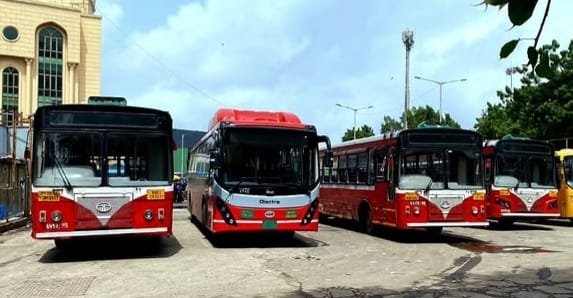
While the hunger strike itself does not necessarily mean an immediate shutdown of BEST buses, prolonged industrial action could potentially affect Mumbai’s public transport network and place additional pressure on suburban trains, Metro services, taxis, and autos.
The coming days will determine whether negotiations can resolve the dispute or whether the protest develops into a wider confrontation involving Mumbai’s crucial public transport service.