
BB Desk
Every day, teachers witness children struggling to concentrate, regulate emotions, participate meaningfully in learning, or cope with the growing pressures of an increasingly digital world. While these challenges often become visible in classrooms, their causes frequently extend beyond school boundaries. Recognising that no single institution can address these concerns alone, the Institute for Exceptional Children (IEC), organised the Schools for Community Care Summit on 22 July to commemorate World Brain Day.
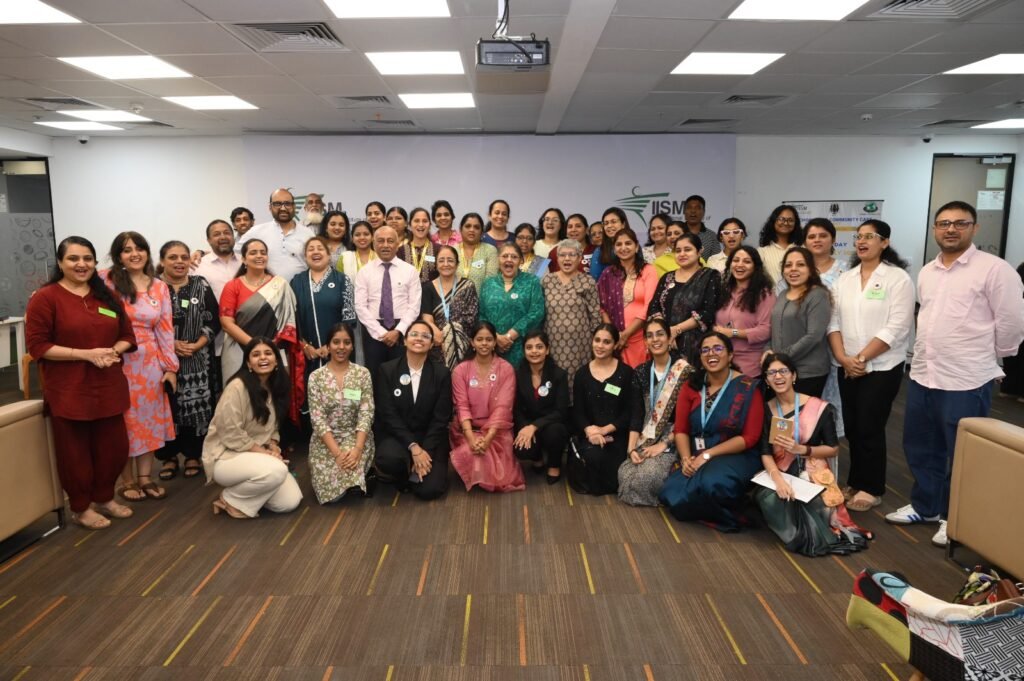
The summit served as a collaborative platform where professionals from education, healthcare, and community organisations came together with a shared vision—to strengthen support systems that nurture children’s cognitive, emotional and developmental well-being.
Delivering the keynote address, eminent psychiatrist Dr. Avinash DeSousa underscored the importance of identifying children’s developmental and emotional needs early while highlighting the crucial role schools and communities play in promoting lifelong brain health.
“It is important for all of us to work towards safeguarding child mental health. When we do that, we automatically are also working towards family welfare and promotion of health. A parent is far more motivated to take care of themselves once they learn the difference mental health interventions can make for the child, as change can often be quick,” said Dr. DeSousa.
Moving beyond conversations centred solely on diagnosis and treatment, the summit focused on practical, everyday interventions that positively influence children’s brain development both at home and in school.
Nutrition expert Malika Kabra Rathi underlined how balanced nutrition supports concentration, learning, and emotional regulation. Meanwhile, Pediatric Ophthalmologist, Strabismologist and Neuro-Ophthalmologist Dr. Roshani Desai addressed the growing impact of excessive screen exposure on children’s vision, offering practical guidance for parents and educators.
“Parents should watch for warning signs such as squinting, holding books or screens very close, sitting close to the television, or persistent red eyes. If these symptoms improve after a two-week reduction in screen time, the screen is likely contributing. If squinting persists for more than six weeks, or has been present since birth, the child should be examined by an eye specialist. Children with a strong family history of glasses should also have an early eye examination,” shared Dr. Desai.
She further added, “We are witnessing two major consequences of excessive screen exposure—dry eye disease and myopia. Both are lifestyle-related conditions and can be prevented through sensible screen habits and regular outdoor play. Schools can contribute by avoiding digitisation in preschool and primary education while reducing unnecessary digital communication. Digital devices may be introduced only after the age of 13, when children are better equipped to use them independently for research and educational purposes.”
Adding another dimension to the discussion, Eurhythmy Therapist Vaibhav Gupta demonstrated how purposeful movement can enhance attention, creativity, emotional regulation and neurological development, encouraging educators to view movement as an integral part of the learning process rather than a classroom distraction.
“As a therapeutic practice, Eurythmy helps people become more aware of their bodies. It activates areas of the brain responsible for cognition and self-regulation, improving impulse control, spatial awareness, and the ability to respond thoughtfully rather than react impulsively. This is especially beneficial for children with attention or behavioural challenges. While Eurythmy cannot reverse conditions like dementia, it can play a preventive role and support recovery in conditions like arthritis, mental health challenges and other chronic illnesses. By combining conventional medicine with therapies like Eurythmy, we can not only treat disease but also better understand its root causes and promote long-term health,” explained Gupta.
Speaking on the occasion, Dr. Trinjhna Khattar, Program Director at IEC and Psychotherapist, emphasised the organisation’s broader vision of community-centred child development.
“Our vision is rooted in the belief that every child deserves care, protection and the opportunity to achieve their full potential. Families, caregivers, schools, healthcare professionals, community leaders and local organisations all have a role to play in creating environments where children feel heard, supported and empowered. Through this Summit, we brought together experts who discussed critical moments in a child’s development that shape overall brain health. From reducing sensory overload to encouraging movement in classrooms and promoting brain-healthy nutrition, the focus remained on practical, preventive measures that families, schools and communities can adopt together to nurture healthier, more resilient children.”
Highlighting IEC’s ongoing community initiatives, Jasmine Khattar, Executive Director at IEC said, “Our programmes focus on building stronger communities by connecting and coordinating the efforts of mental health professionals, teachers, parents, NGOs and healthcare providers. This collaborative approach enables us to respond more effectively to the growing mental health crisis, where anxiety, bullying and emotional distress among children are becoming increasingly common.”
The summit concluded with reflections from Dr. Vaijyanta Anand, Governing Council Member at IEC, followed by networking sessions that encouraged continued collaboration among the participants.
“An increasing number of young children are seeking counselling today. Their challenges extend well beyond academics and school adjustment to include bullying, peer pressure, loneliness and emotional distress. Bullying, in particular, has a lasting impact on mental health, and schools must give greater importance to fostering healthy peer relationships. Many children also struggle with compulsive behaviours and self-harm, often as expressions of emotional numbness rather than attention-seeking. Today’s schools need to evolve beyond academics. Schools that prioritise mental health also strengthen community well-being. Addressing mental health collectively, rather than relying solely on individual counselling, creates a far stronger support system for children,” noted Dr. Anand.
