
BB Desk
There are singers who define an era—and then there are those who outlive eras themselves. Asha Bhosle belonged to the latter.
For more than seventy years, her voice refused to be confined. It flirted, soared, wept, teased, and transformed—sometimes within the same song. With her passing at 92 in Mumbai’s Breach Candy Hospital, Indian music has lost not just a legend but one of its most adventurous spirits.
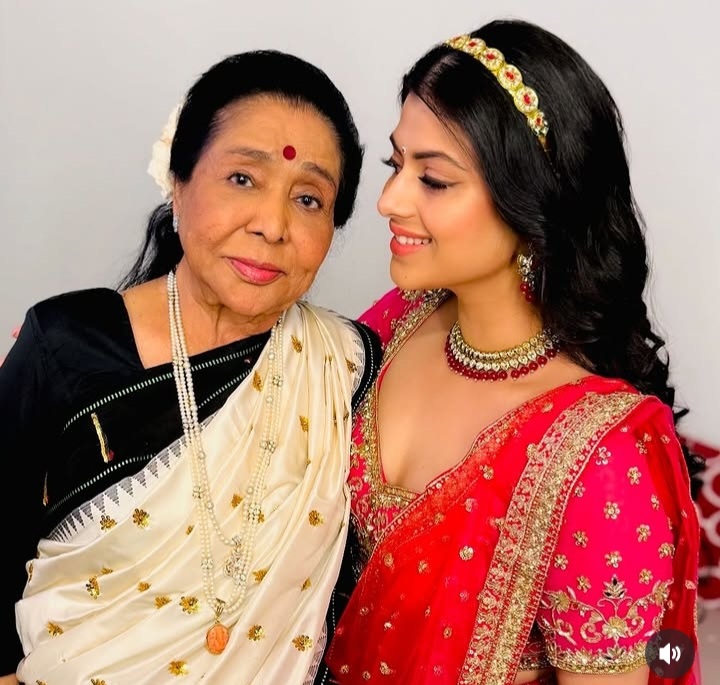
Born in 1933 into the illustrious Mangeshkar family, Asha Bhosle began her journey in the shadows of expectation. Yet she carved a path that was entirely her own—one marked not by imitation, but by fearless reinvention. From early struggles in the film industry to becoming its most versatile playback singer, her rise was neither immediate nor easy.
What set Bhosle apart was her refusal to stay still. She embraced genres others hesitated to touch—cabaret, pop, ghazals, folk, classical, even global collaborations. Her surreal partnership with composer R. D. Burman didn’t just produce hits, it reshaped the soundscape of Hindi cinema. Songs like “Piya Tu Ab To Aaja” and “Dum Maro Dum” became epic hits that transformed the cultural mood.
In her later decades, when most voices fade, hers adapted. She performed live well into her 80s and 90s, her energy defying both time and expectation. She wasn’t simply surviving in music—she was still playing with it.
Her final days reflected the fragility that even legends cannot escape. Admitted to South Mumbai’s Breach Candy hospital after complications initially believed to be exhaustion and infection, her condition deteriorated, culminating in cardiac and respiratory failure. Her passing drew immediate national attention—an outpouring of grief from fans, artists, and leaders who had grown up with her voice as a constant companion.
In a brief statement, her son Anand Bhosle announced her passing and shared details of the final rites, noting that those wishing to pay their respects could visit her residence the following morning, with the last rites to be performed around 4pm at Shivaji Park.
Yet to speak of Asha Bhosle in the past tense feels almost inadequate.
Her songs remain everywhere—in late-night radio, wedding dance floors, quiet headphones, and collective memory. Hers was not just a voice that entertained; it was one that evolved alongside a nation learning to express itself in new ways.
In the end, Asha Bhosle did what few artists ever manage: she made time irrelevant. And even in silence, she will continue to be heard.
