
BB Desk
Jaya Bachchan’s forthright statements at a public event in Mumbai have accomplished what most celebrity sound bytes no longer do- that’s leading the nation to pause and ponder. Not because she chastised the paparazzi or questioned the applicability of marriage, but because she addressed two cultural pressure points that we spend a majority of our time evading- how we scrutinize people and how we expect them to behave.
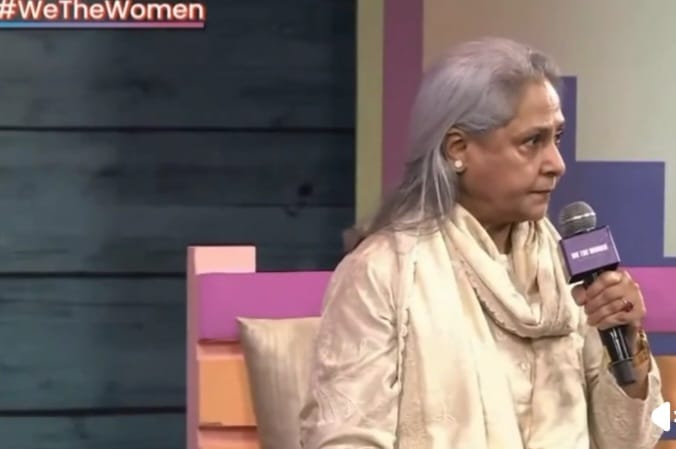
Her irritation with the paparazzi was more than just a complaint about cameras flashing without permission-it was also a critique of what she characterizes as a culture of intrusive behaviour paired with judging and passing comments, often in impolite or demeaning ways. By asking, “Who are these people?” she was not dismissing individuals; rather, she was challenging an ecosystem that feeds on invasion and then calls it entertaining.
In an age where public figures are captured and dissected incessantly, Jaya’s remarks actually highlight the tension between people’s fascination with celebrities and their right to personal privacy. She voices what many celebrities hesitate to point out.
Jaya’s run ins with the paps have always been fiery but perhaps this time, she may have crossed the line. Critics argue that judging the paparazzi based on their appearance with rude remarks like “tight, dirty drain pants” and “mobile in hand” — is elitist and unfair. Some insist that such sweeping generalisations denigrate an entire profession—one in which people work hard to make a living, frequently under harsh conditions.
Her take on marriage also landed with equal force because it came from someone who has lived within the tradition and not outside it. When Jaya Bachchan calls marriage “outdated,” it unsettles people simply because she is a woman who has embodied the institution for decades. At the same time, her views reflect shifting societal norms and growing generational divide.
For decades marriage has been pushed down our throats as a customary milestone undercutting our own personal preferences. For older generations, marriage and the conventional structure around it might still hold weight. For youngsters, independence and redefined relationships increasingly matter. So, by publicly rejecting marriage as fundamental — even for her own family — Jaya challenges patriarchal paradigm of our society implying that personal choice, autonomy, and compatibility matter more than cultural pressure or traditions.
What stands out isn’t whether she is right or wrong but the fact that she dared to say it at all. The controversy Jaya’s statements have sparked is less about her and more about the mirror she held up. A mirror that reflects a civilization torn between wanting to progress and dreading what it means to let go. Perhaps, her words count because they compel us to reflect why her candour is so unnerving. And in that discomfort lies the real conversation.

