
BB Desk
The Brihanmumbai Municipal Corporation (BMC) elections 2026 results declared on Friday, 16th January by the State Election Commission marked a decisive turning point in Mumbai’s civic politics. The outcome mirrors changing urban priorities, shifting voter loyalties, and the growing nationalisation of local governance in the city. In a fiercely contested battle for the control of India’s richest municipal body, voters with a turn-out of 52.94% delivered a fragmented yet consequential verdict, ending long-held assumptions about traditional strongholds and emerging alliances. The BJP surged to the top as the dominant entity securing 89 seats while the Shiv Sena UBT clinched 65, Shiv Sena Shinde bagged 29 and the Congress wrapped up with 24 seats respectively.
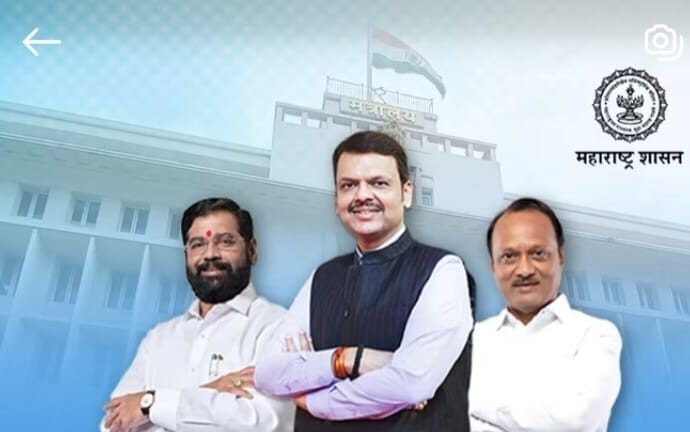
The election results have not only altered the civic power map of Mumbai but also flagged a deeper political churn underway in Maharashtra. For the first time in decades, Mumbai’s municipal politics stands at a crossroads with long-entrenched equations disrupted, new alliances asserting control, and rival factions battling not just for offices but for political legitimacy. As celebrations evaporate and hard negotiations begin, the post-poll phase has emerged as a critical test of governance, coalition management, and narrative dominance in the country’s richest civic body.
Key Highlights and Post Results Developments
- The BJP arose as the single largest party in the BMC, winning a significant number of seats and ending nearly 30 years of absolute dominance of undivided Shiv Sena over the BMC.
- Shiv Sena UBT encountered a major setback and is now grappling with its diminishing influence.
- A much-publicized reunion between Uddhav and Raj Thackeray failed to halt the party’s decline.
- AIMIM’s gains in some wards reshaped local arithmetic, sometimes impacting larger party outcomes.
- While the BJP topped the tally, its falling short of an outright majority on its own making its alliance with Eknath Shinde-led Shiv Sena crucial for control of the BMC.
- Shinde Sena is using this bargaining opportunity to negotiate the mayor’s chair and other key posts with the BJP.
- There are reports of relocating the newly elected corporators to a 5 star hotel — aimed at preventing defections or poaching by rival groups, underlining how high the stakes are in forming the new civic administration.
- This tactical phase reflects the often messy negotiation topography in local governance, where even intra-alliance power balances can shift outcomes.
In wake of the results:
- The BJP has framed the outcome as a choice by Mumbaikars for ‘unity and development’ over divisive politics — a narrative pushed to underline the party’s civic mandate.
- Uddhav Thackeray camp has posted cryptic message about continuing to pursue the mayoralty and reclaim influence despite the loss.
- Media and political commentaries reveal heated critical exchanges between rival factions, showcasing ongoing debates and attempts to shape public perception about the election’s legitimacy and meaning signalling the real contest lies in narrative control and public resonance — beyond the numbers on the ward list.
Broader Implications in Maharashtra
- The Mahayuti alliance performed strongly across major urban centres, strengthening its grassroots reach.
- Opposition parties, including Congress and Uddhav Thackeray’s Shiv Sena struggled to unify against the BJP, leading to fragmented votes in many wards.
- This urban sweep lends political capital to the BJP at a crucial juncture — both for state politics and its broader narrative of governance and development.
