
BB Desk
India’s residential real estate market is undergoing a noticeable generational shift. Millennials, once perceived as advocates of rental flexibility and experience-driven lifestyles, are now emerging as one of the strongest drivers of homeownership across urban India. Their growing participation is not only boosting demand but also influencing how projects are conceptualized, designed, and marketed.
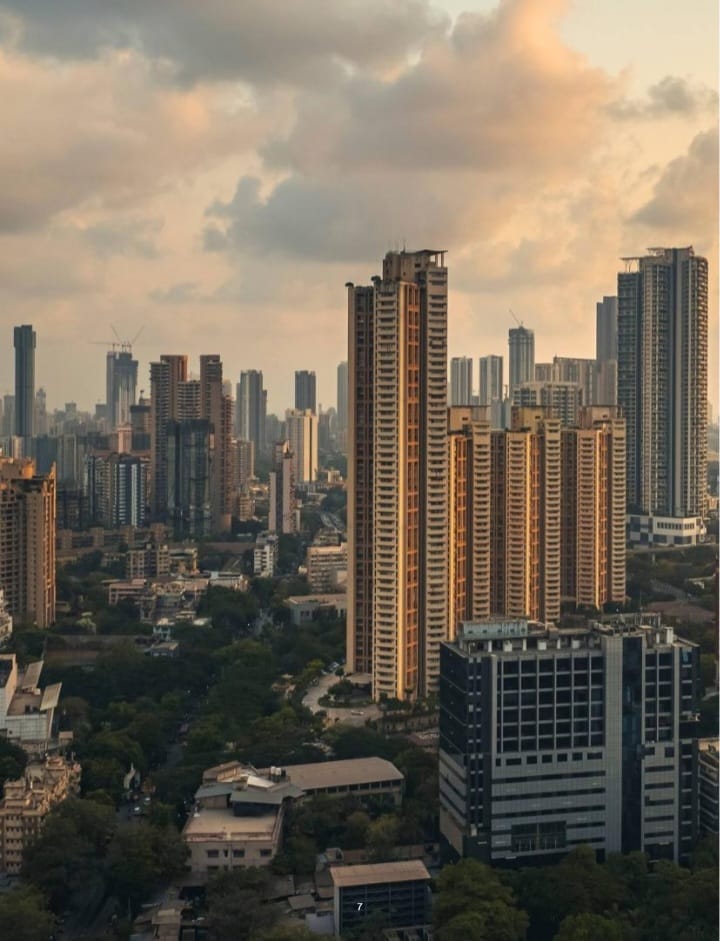
In recent years, first-time buyers in their late twenties and early thirties have significantly increased their presence in the housing market. A combination of post-pandemic lifestyle recalibration, improved financial stability, access to home loans, and hybrid work models has accelerated the move toward ownership. Across leading metros like Mumbai, Bengaluru, and the NCR region, Millennials and Gen Z collectively account for a dominant share of mortgage demand, particularly within the affordable and mid-income segments.
Commenting on this shift, Guardians Real Estate Advisory, Co-Founder & Director Jayesh Rathod notes, “Today’s Millennial buyer approaches property ownership with remarkable clarity and confidence. They know exactly what they are looking for — whether it is flexible layouts, integrated smart technology, or wellness-oriented design. This decisiveness is compelling developers to rethink conventional planning and align projects more closely with evolving lifestyle needs.”
A defining trait of this generation is its digital-first approach. Property discovery now begins online, where buyers analyze pricing benchmarks, infrastructure developments, neighborhood growth prospects, and even developer track records before scheduling a site visit. Virtual tours and data comparisons have become integral to the evaluation process, reshaping how projects are presented and sold.
Highlighting this transformation, Transcon Developers Director Shraddha Kedia-Agarwal remarks, “By the time Millennials step into a sales office, they are already well-versed with the project’s specifications, pricing trends, and micro-market dynamics. This informed approach has pushed developers to embrace greater transparency, leverage advanced digital tools, and maintain faster, more data-driven communication. Developers who understand this mindset will define the industry’s next growth phase.”
Beyond digital awareness, Millennials are demonstrating a practical and future-oriented mindset. Homes today are expected to accommodate remote work setups, nuclear family living, and adaptability over time. Compact yet intelligently planned one- and two-bedroom homes are increasingly preferred over larger but less efficient spaces, reflecting a shift toward usability and financial prudence.
Reinforcing this outlook, Ariha Group Promoter Dhruman Shah observes, “Millennials are not just buying homes — they are investing in long-term functionality. They prioritize efficient design, optimized usable space, and construction quality over mere visual appeal. Specifications, materials, and maintenance structures are carefully evaluated before a final decision is made.”
Technology integration has moved from being a premium offering to a baseline expectation. Smart access systems, app-enabled services, energy-efficient solutions, and integrated security are now considered essential features. Simultaneously, sustainability has gained prominence in buying decisions. Demand for green-certified developments incorporating solar solutions, water conservation systems, improved ventilation, and eco-friendly materials continues to rise, particularly in mid and premium housing segments.
As Rathod further emphasizes, “Sustainability is no longer a niche preference. Millennials increasingly value homes that reduce long-term operational costs, enhance well-being, and contribute positively to the environment.”
For this generation, homeownership represents more than financial security. It embodies identity, stability, and lifestyle expression. Community engagement, wellness amenities, aesthetic appeal, and convenience now carry weight equal to location and price.
This evolving mindset has strengthened the appeal of integrated townships, transit-oriented projects, and premium mid-income developments that combine connectivity with community living. Industry projections suggest that by 2030, Millennials and Gen Z could account for nearly 60% of new homebuyers in India, solidifying their role as the primary architects of future residential demand.
Despite their reputation for mobility, rising rental costs, competitive home-loan conditions, and growing confidence in long-term employment prospects are encouraging Millennials to transition toward ownership. With residential sales witnessing some of their strongest performance in over a decade, younger buyers are clearly sustaining market momentum.
As Millennials continue to shape housing demand, India’s real estate sector is adapting accordingly. Intelligent design, digital integration, sustainability, and community-centric planning are no longer optional differentiators — they are fast becoming the foundation of the next era of residential development.
